Shop Strategically: Methods to Detect Quality Vintage Clothing for Your Collection
Examining the domain of aged garments requires a selective perspective and a intentional methodology. Appreciating the prominence of fabric state, labels, and material composition is paramount. Each piece embodies a story, but not all stories are suitable for collecting. Spotting the signs of authenticity can alter outcomes significantly. As one participates in this unique marketplace, the correct methods can lead to noteworthy acquisitions. What are the core factors to guarantee a successful vintage clothing hunt?
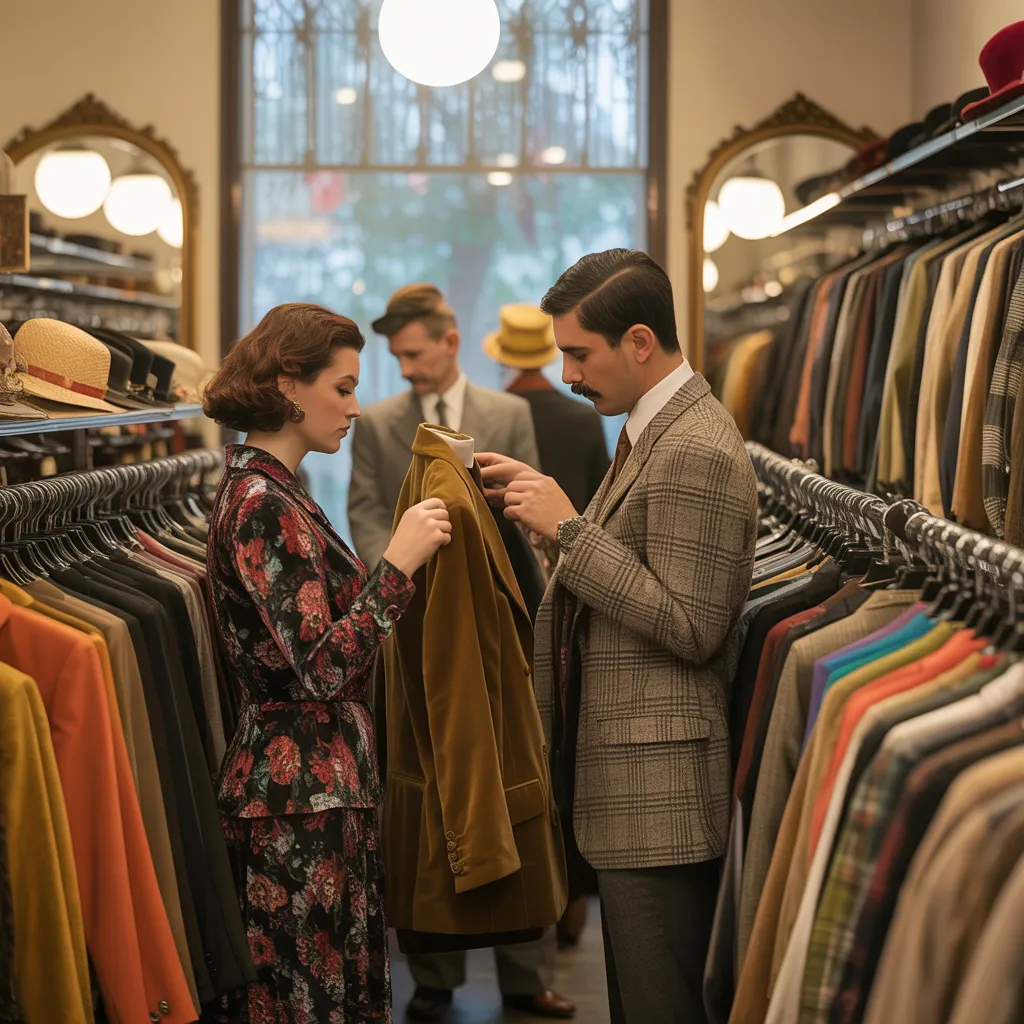
Why State Is Important in Antique Apparel
A classic piece's condition matters greatly to its market worth and attraction. Enthusiasts and style devotees prioritize pieces displaying slight wear, because such articles typically fetch increased prices and draw more practical tips attention. Aspects including fabric integrity, stitching, and complete visual presentation significantly influence a item's attractiveness.
Clothing in excellent condition, free from stains, tears, or fading, tend to retain their original charm and craftsmanship, keeping the aesthetics of the era they represent. Conversely, items with visible damage may be viewed as less valuable, despite their historical significance.
Moreover, quality affects the capacity for repair. Some collectors may appreciate the opportunity to repair small defects, while others may prefer unaltered pieces, prioritizing genuineness over restoration. Ultimately, the quality of vintage clothing not only influences its commercial worth but also establishes the account relating to each garment, enhancing its appeal to potential buyers.
How to Find Vintage Clothing Labels
Recognizing classic garment tags is vital for evaluating genuineness and caliber. This technique involves identifying iconic brand labels, understanding fabric care directions, and exploring historical background. Every aspect delivers valuable insight into the garment's period and craftsmanship, deepening respect for timeless garments.
Understanding Famous Brand Designations
How can one authenticate the authenticity of vintage clothing labels? Recognizing iconic brand labels is critical for identifying quality vintage pieces. Many renowned brands, such as Chanel, Dior, and Levi's, have distinct labels that reflect their heritage and craftsmanship. Vintage labels often feature unique typography and logos that differ from contemporary iterations. Additionally, the materials and stitching used in the labels can provide clues; older labels may be made from fabric rather than paper, showcasing a commitment to quality. Researching specific brands and their label history can deepen understanding, as many brands have evolved over time. By familiarizing oneself with these details, curators can confidently identify authentic vintage clothing and enhance their collections.
Breaking Down Care Tags
What indicators do care tags deliver in the endeavor to spot vintage clothing? Care tags can expose important facts about a garment's age, material, and origin. Vintage labels often miss standardized care instructions, showing a time when manufacturers championed different practices. Tags may present unique design elements, such as specific fonts, colors, or logos, typical of certain eras. For instance, tags made from paper or fabric with specific stitching styles can denote a garment's vintage status. Additionally, the absence of modern symbols, like washing machine icons, can further substantiate authenticity. By studying these details, collectors can make sound decisions, ensuring their purchases truly represent the vintage aesthetic they seek. Grasping care tags is a important step in identifying quality vintage clothing.
Exploring Historical Significance
Learning about the historical significance of garment tags improves the capacity to identify antique clothing. Labels typically function as valuable indicators of a garment's era, style, and genuineness. For example, certain brands grew famous in specific decades, such as Chanel in the 1950s or Halston in the 1970s. Getting acquainted with label designs, font styles, and sewing methods can help collectors determine the date and origin of a piece.
Additionally, certain labels may include details about the producer, which can give understanding into the garment's excellence. Researching label background, such as changes in style or brand consolidations, can further enrich the collector's understanding, ultimately helping in the assessment of a vintage piece's importance and worth.
Superior Fabrics and Craftsmanship Elements
The quality of aged apparel is often gauged by its fiber makeup and construction methods. High-quality fabrics, such as silk or wool, not only improve robustness but also enhance the garment's aesthetic appeal. Additionally, examining stitching quality can illustrate the expertise behind each piece, conveying its overall value and longevity.
Fabric Construction Counts
Vintage clothing of high grade often draws enthusiasts not merely for its visual charm but also for the high-grade fabric composition that defines it. Pieces of high-quality vintage clothing are usually crafted from natural fibers such as silk, wool, cotton, and linen, providing lasting strength and breathability. These materials often develop character over time, acquiring a unique patina that boosts their appeal. Synthetic materials, although sometimes included, typically are missing the character and longevity seen in natural fibers. Moreover, the density and surface feel of the fabric can indicate skilled craftsmanship; heavier, well-made materials often suggest a garment designed for longevity. Knowing fabric composition is vital for collectors, as it has a direct effect on both the garment’s wearability and value inside a vintage clothing collection.
Stitching Quality Metrics
Examining the stitching of antique clothing reveals important signs of superior workmanship. High-quality vintage clothing often displays uniform, precise stitching, which guarantee longevity and an elegant look. A double-stitched seam, for example, not only enhances strength but also showcases careful consideration of craftsmanship. Moreover, the type of thread used can signal quality; substantial cotton fibers are preferable to synthetic options, as they offer lasting quality. Inspecting the hem can also provide insights; manually sewn edges indicate higher craftsmanship than machine-stitched alternatives. Additionally, look for strengthened sections, particularly at stress points like armholes and pockets, as they signify thoughtful construction. Such seam quality markers are essential for discerning authentic vintage treasures from inferior garments.|Evaluating the stitching of aged clothing shows key signs of fine workmanship. High-quality vintage clothing often features precise, uniform stitching, which guarantee durability and a refined appearance. A double-stitched seam, for example, not only enhances strength but also showcases meticulous attention to detail. Moreover, the thread choice used can signal quality; thicker, cotton threads are preferable to synthetic options, as they deliver lasting strength. Inspecting the hem can also offer observations; hand-stitched hems suggest superior artistry than machine-stitched alternatives. Furthermore, look for reinforced sections, especially on critical areas such as armholes and pockets, as they demonstrate intentional assembly. These stitching quality indicators are indispensable for recognizing true vintage gems from subpar items. true vintage gems from lesser pieces.
Evidence of Authentic Vintage Garments
How can one identify authentic vintage clothing from replicas? Real vintage items often possess unique characteristics that set them apart. First, the label or tag is essential; older pieces may have brand names that are now defunct or have distinct fonts and materials typical of their era. Additionally, fabric quality can serve as a telltale sign; vintage garments commonly use natural fibers like cotton or wool, unlike many modern synthetics.
Construction details also give understanding into truthfulness. Hand-stitched seams, original zippers, and intricate detailing are indicators of true vintage pieces. Moreover, the overall fit and cut can hint at the garment's age; styles often follow the fashion trends of their time. Finally, consider the garment’s scent; musty or aged odors may show genuine wear. Recognizing these signs can greatly improve one’s ability to identify authentic vintage clothing in a marketplace filled with replicas.
Methods for Discovering Secret Vintage Gems
By investigating thrift stores, flea markets, and estate sales, vintage hunters often reveal hidden gems that communicate unique styles and craftsmanship. To advance their search, they should refine a keen eye for detail, attending to labels that attest to quality and authenticity. Exposure with various eras helps in determining distinctive patterns and cuts that reflect historical fashion trends.
Timing plays a crucial role; arriving early at sales can bring the best finds, as shoppers often overlook obscure products. Additionally, staying open-minded allows for surprising discoveries; items may require minor alterations or styling to stand out. Speaking with sellers can supply useful information into the item's past and significance.
Ultimately, diligence is vital. The joy of the search often generates satisfying discoveries, so vintage enthusiasts should appreciate the journey rather than move hastily. With these tips, collectors can boost their chances of finding that ideal vintage piece to add to their collection.
Caring for Your Vintage Collection: Upkeep and Conservation
Caring for a classic clothing collection requires diligence and attention to detail to guarantee longevity and preservation. To maintain the integrity of these pieces, proper storage is essential. Items should be kept in a cool, dim, and arid environment, preferably in air-permeable garment bags or acid-free boxes. Avoid plastic, as it can trap moisture and cause mildew.
Maintenance on a regular basis is crucial; however, dry cleaning should be treated with care. If you can, hand wash items with gentle cleanser, and always test a small area first. Sunlight can diminish colors, so garments should be positioned away from bright sunlight.
For small fixes, hand stitching is often preferable to automated stitching, keeping the clothing's authentic nature. Finally, periodic inspections for evidence of deterioration or infestation can help catch issues early, making certain that the grouping remains in superior state for years to come.
Popular Questions Posed Frequently
How Can I Discover Antique Fashion Retailers In my Location?
To discover vintage clothing shops in your area, one can examine local thrift stores, vintage boutiques, and online directories. Community boards and social media groups often give recommendations, boosting the search for unique, quality pieces.
How Do I Verify High-Value Vintage Pieces?
To establish valuable antique items, examine labels, seams, and materials thoroughly. Research the manufacturer's background and production techniques, and consult specialist guides or vintage communities for perspectives on distinct pieces and their authenticity.
What Digital Marketplaces Are Greatest for Retro Browsing?
The leading digital marketplaces for retro finds include Etsy, Depop, eBay, and copyright. Each offers a extensive collection of rare finds, satisfying different preferences and financial ranges, establishing them as favorites among classic item admirers.
Do investors need to focus on certain eras when investing?
Investors often concentrate on the 1920s, 1950s, and 1970s, as these eras created unique designs and high demand. Landmark items from these periods tend to increase in worth, making them appealing for collectors.
What strategies Should I Use to negotiate Prices When acquiring Vintage Clothing?
Negotiating prices for vintage clothing requires researching comparable items, approaching sellers respectfully, drawing attention to any flaws, and expressing readiness to walk away, promoting an atmosphere conducive to achieving a fair price.